Sustainability and the environment
At Carolina, faculty, staff and students are seeking and creating solutions to address the effects of climate change and seek environmental justice.
Read more about sustainability efforts
At Carolina, faculty, staff and students are seeking and creating solutions to address the effects of climate change and seek environmental justice.
Read more about sustainability effortsUNC-Chapel Hill is at the heart of what’s next, preparing talented students from different perspectives and life experiences to become creators, explorers, entrepreneurs and leaders. Tar Heels develop a voice for critical thought and the courage to guide change.
Carolina’s nationally recognized teaching, groundbreaking research and dedication to public service continue a legacy that began when the University was chartered in 1789 and opened to students four years later.
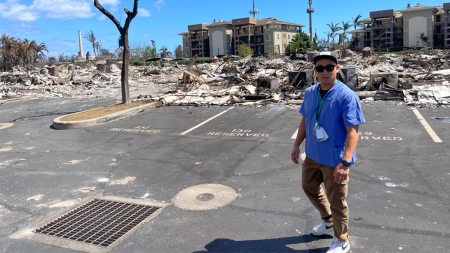
David Kim’s degree in health care administration and his military and work experience prepared him to respond.
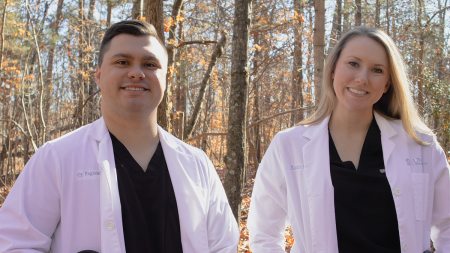
Fourth-year medical students Cy and Kandis Fogleman share a love for rural medicine, service and each other.
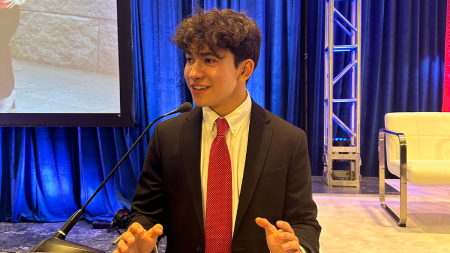
A bad haircut led Andres Valdiri of Wilmington to design an app to help others avoid his fate.
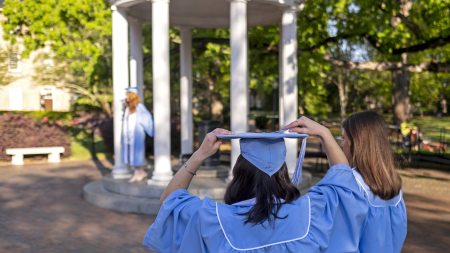
The education we provide at Carolina puts Tar Heels in position to succeed in whatever they choose to pursue. See how recent alums are using their skills, knowledge and passions to make an impact.
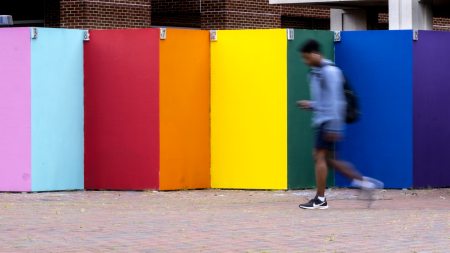
During Pride Week, Carolina highlights the history, inclusion, intersectionality, expression and advocacy within LGBTQIA+ communities.
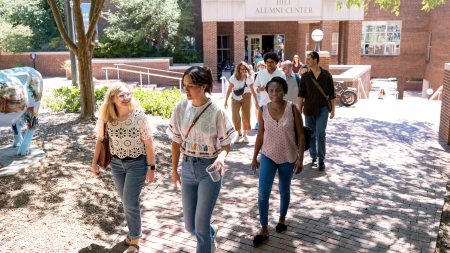
This week we recognize the many contributions graduate and professional students make to research, teaching, and service at Carolina.
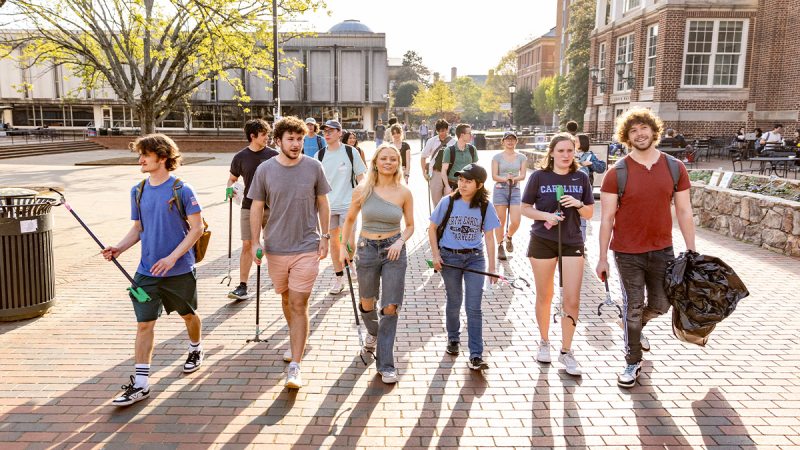
What started as an extra credit opportunity grew into a club who has fun keeping Carolina clean.
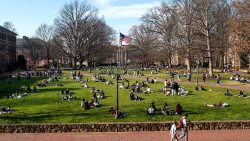
A new study from FPG researchers suggests preschoolers living near green space have better mental health.

The Tar Heels defeated Florida State in Charlotte to earn their 12th conference championship.
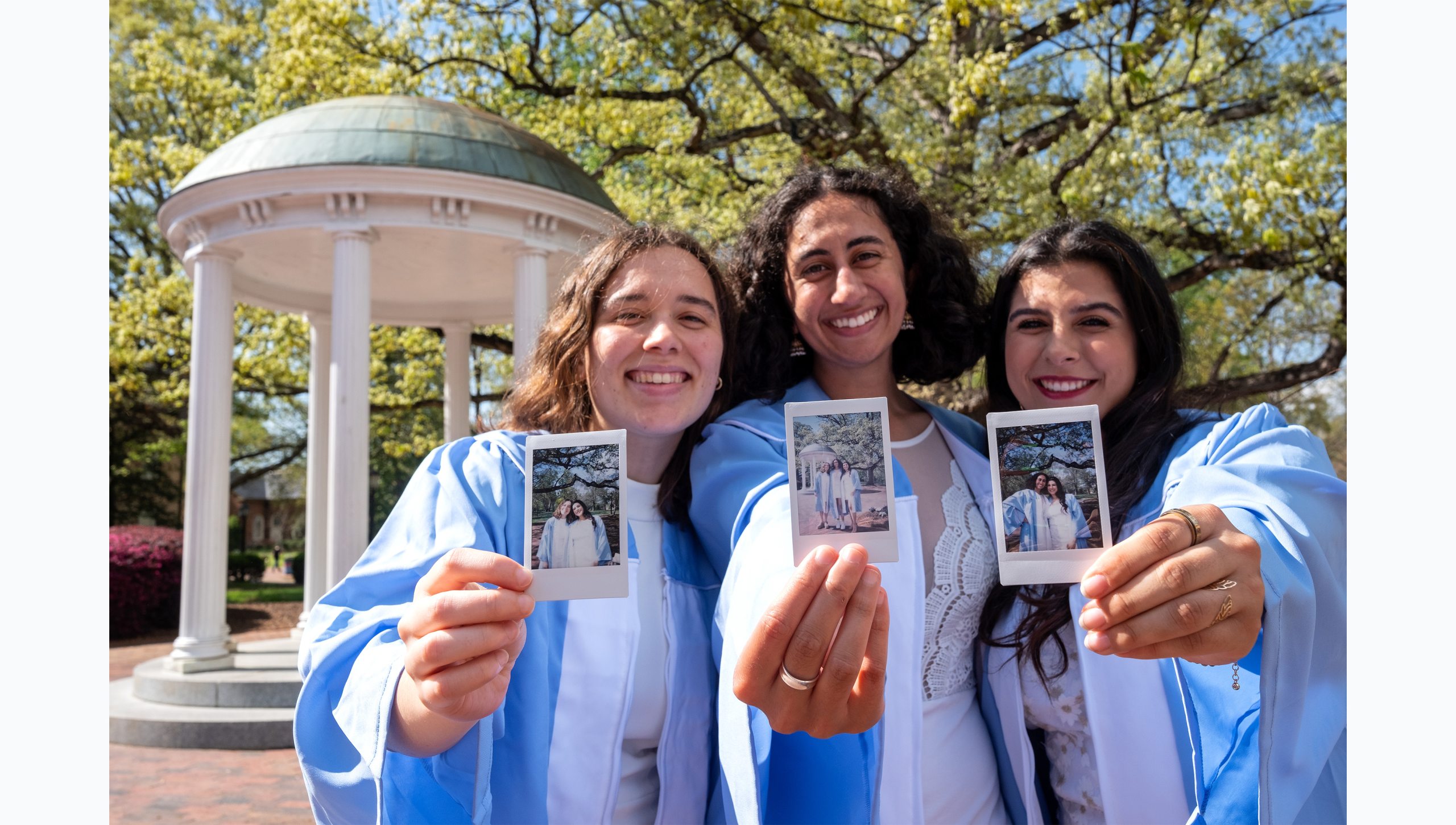
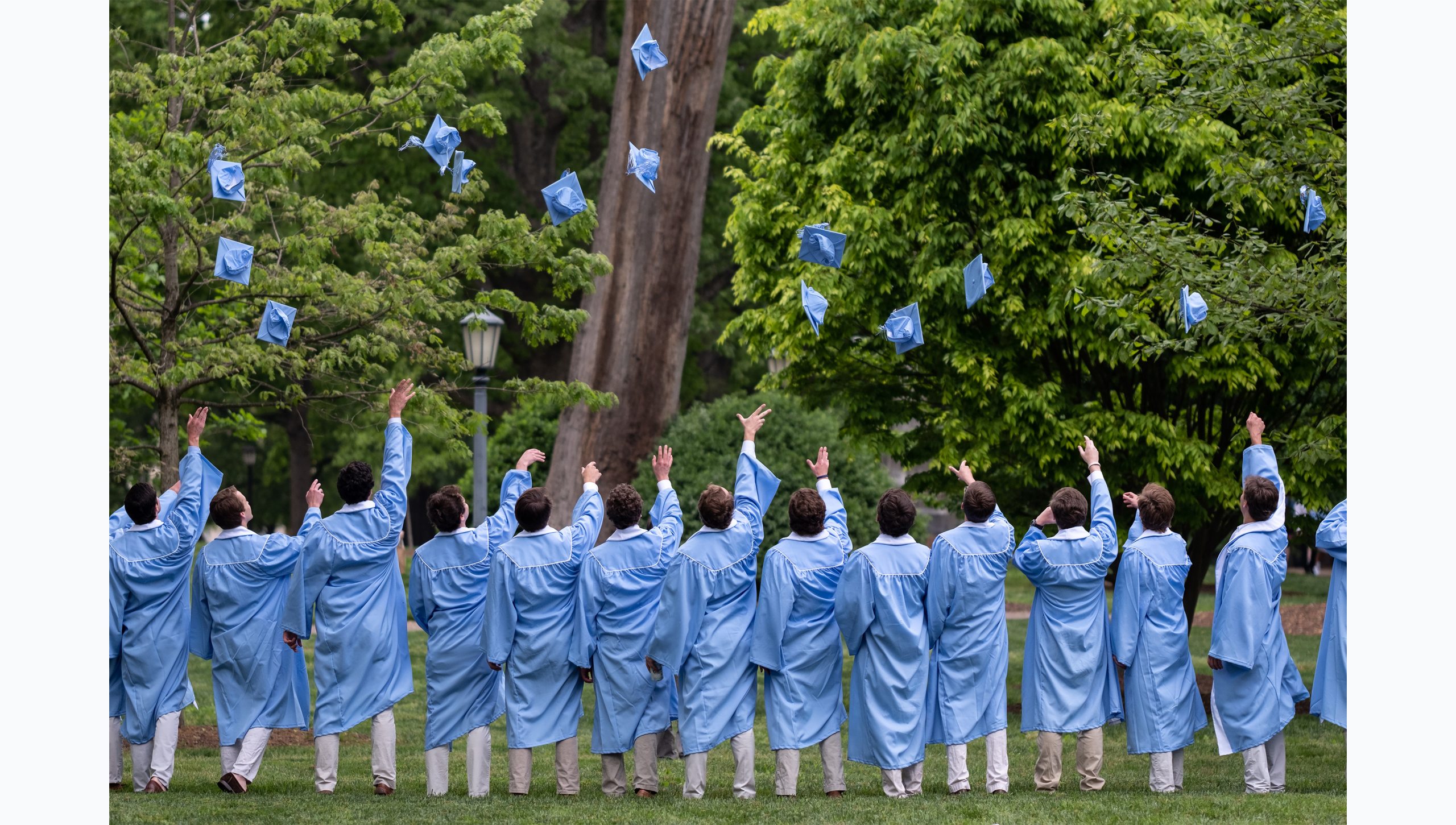
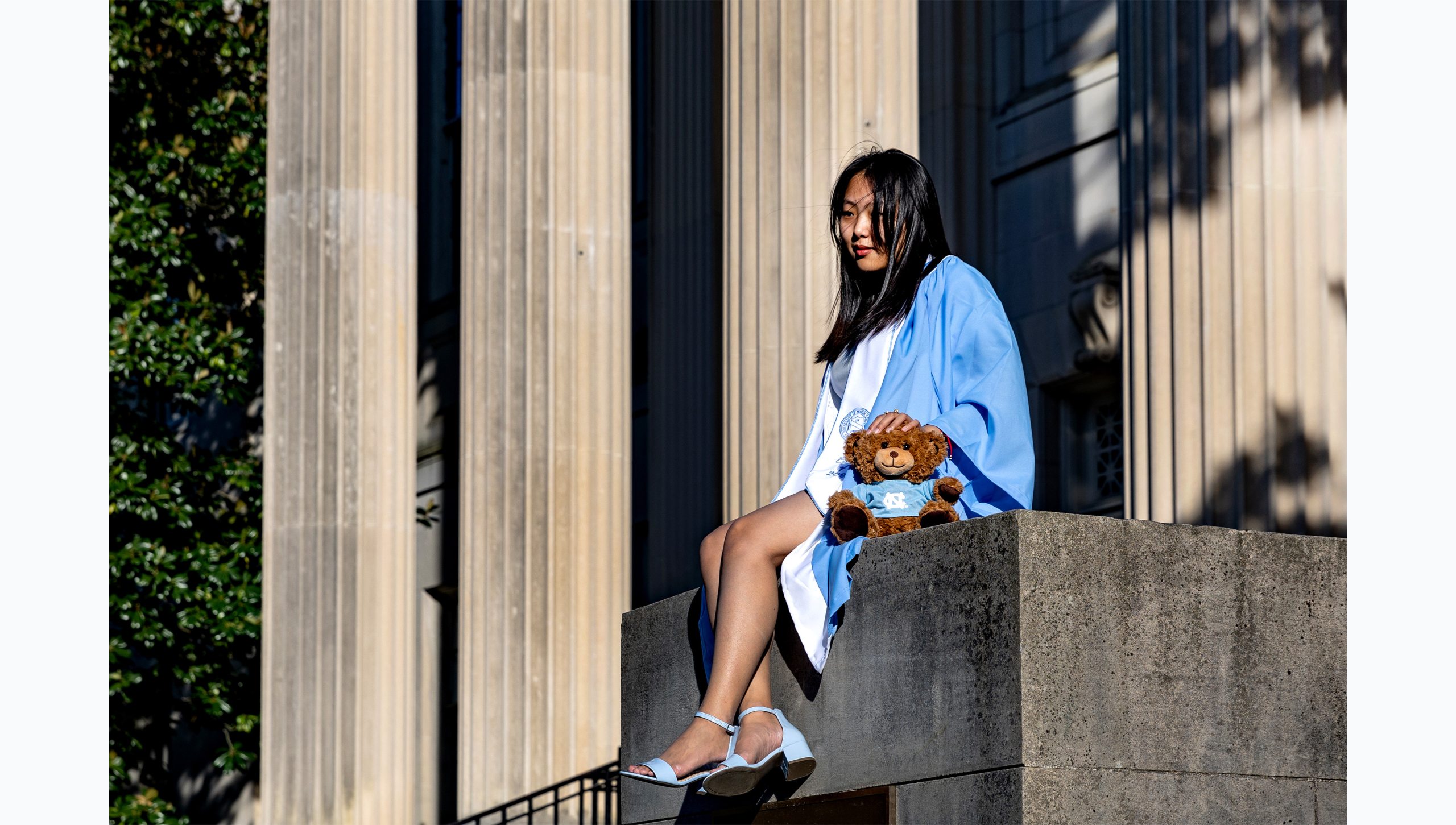
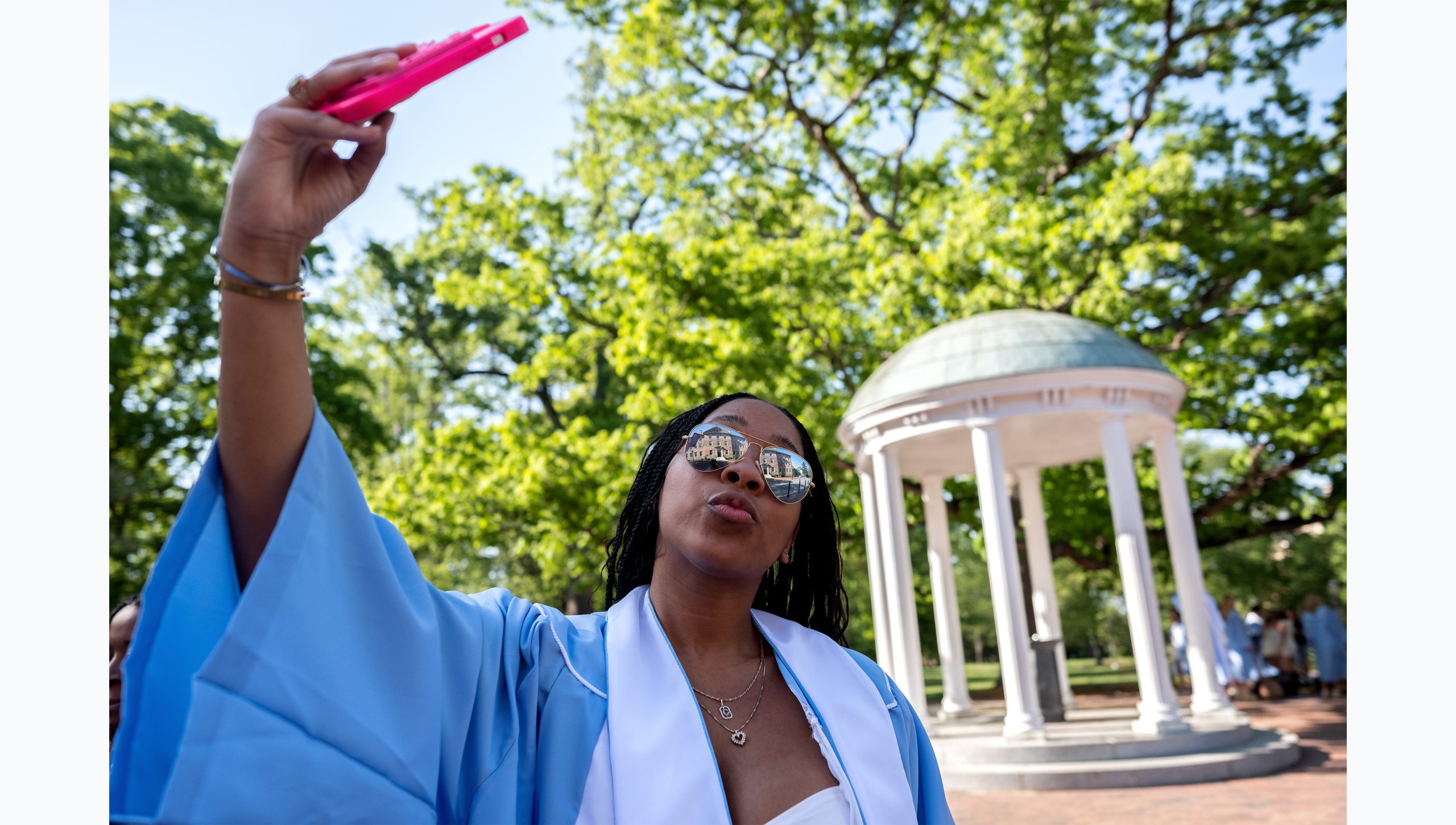
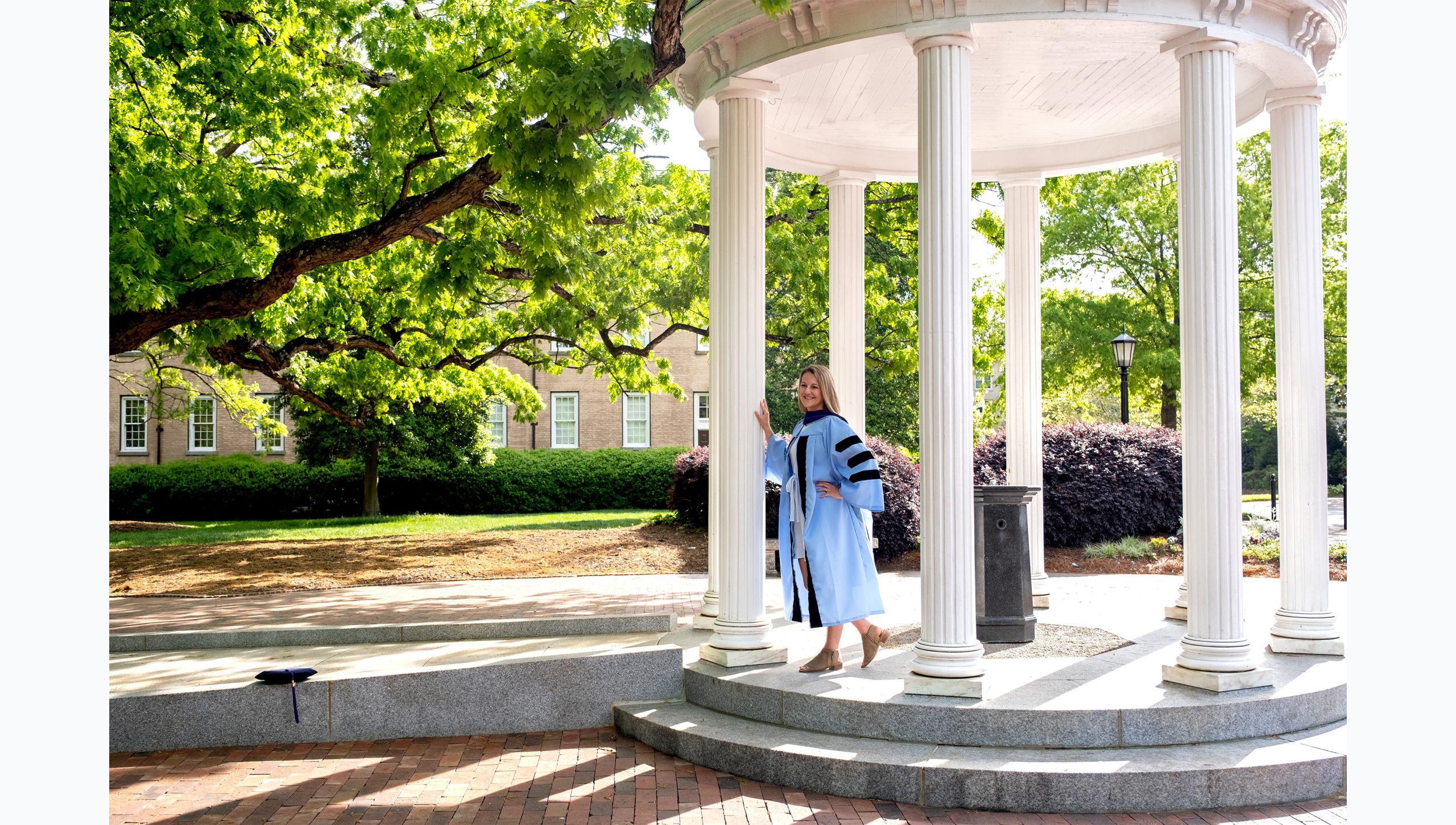
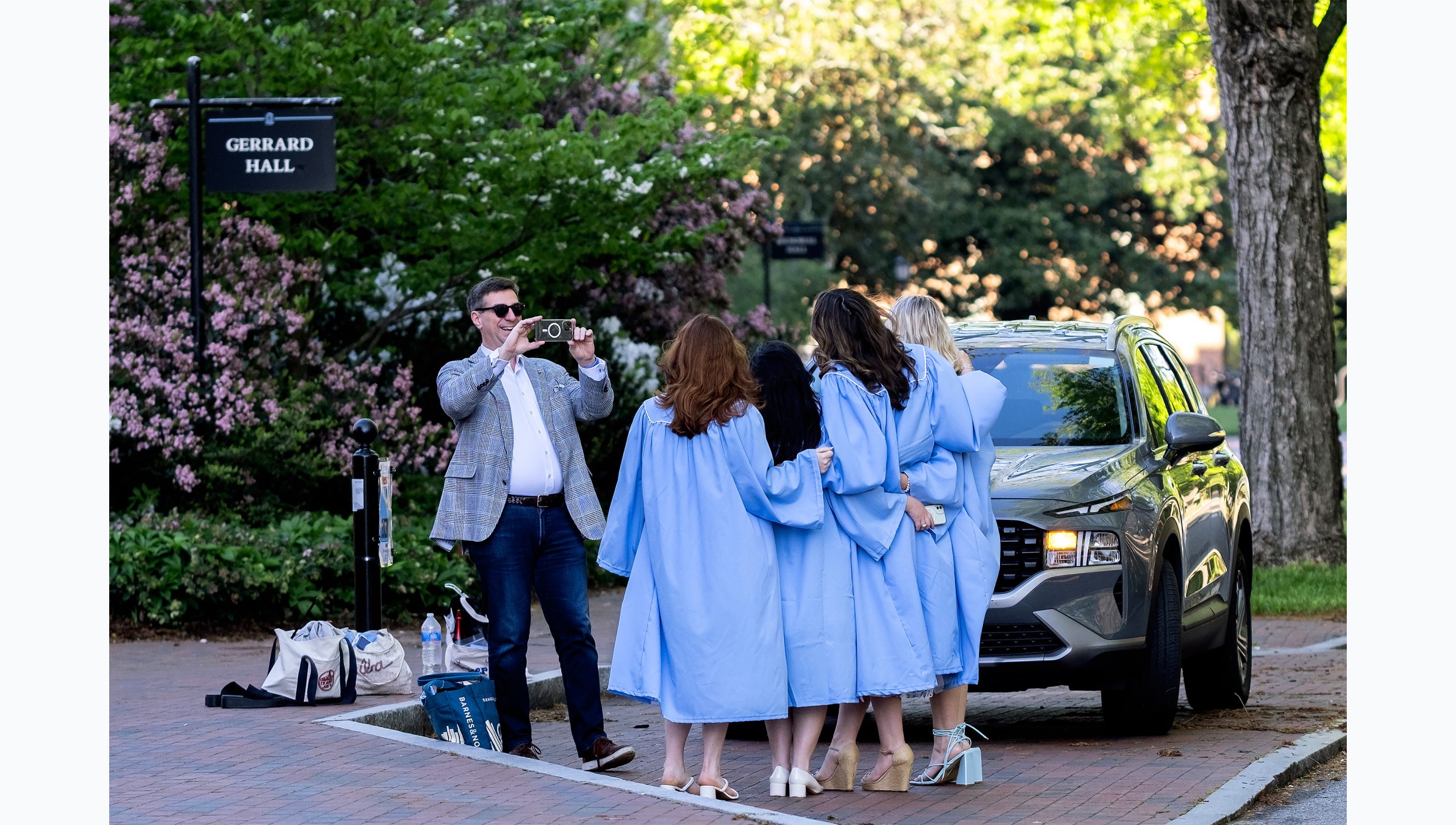
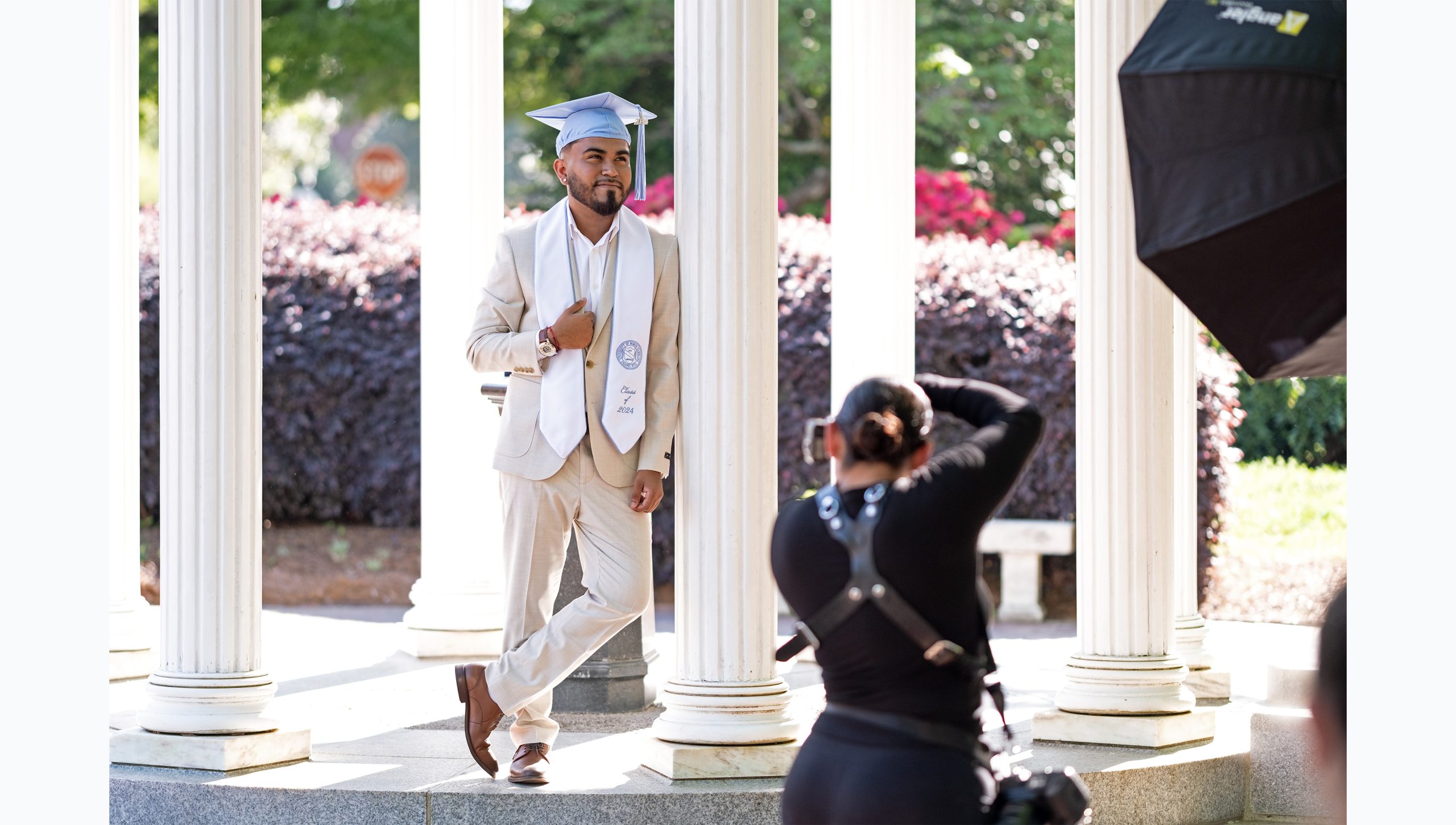
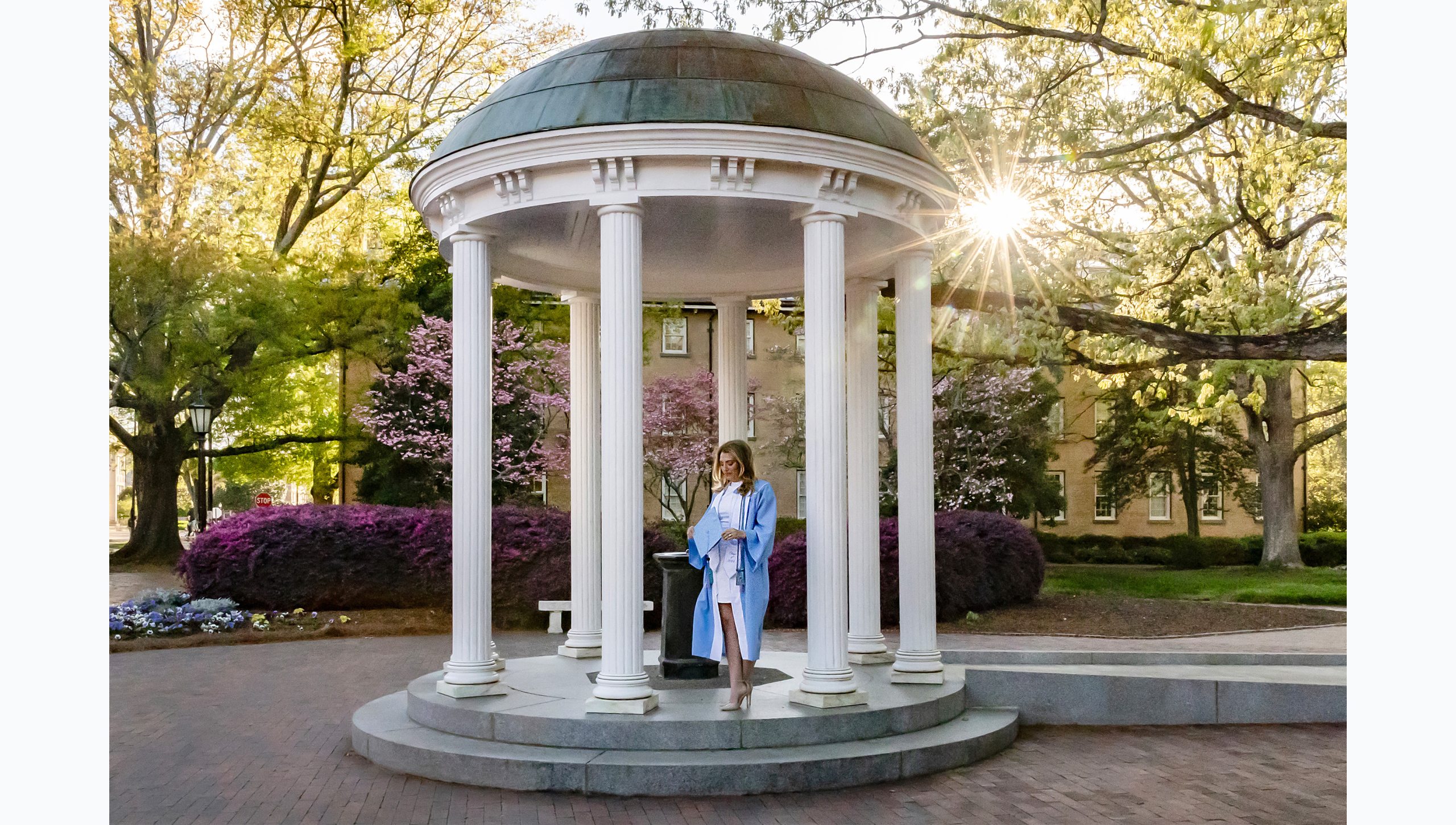
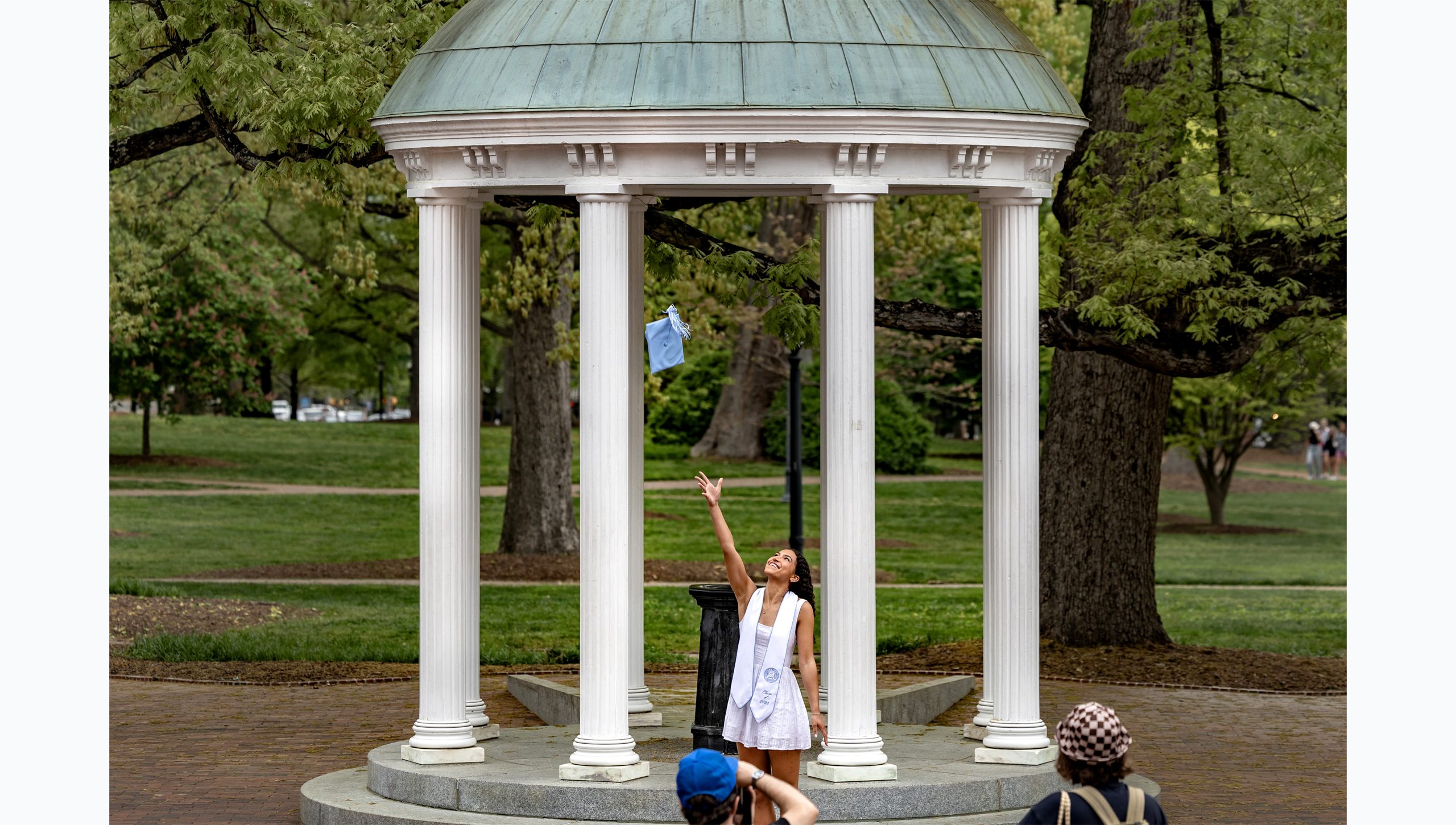
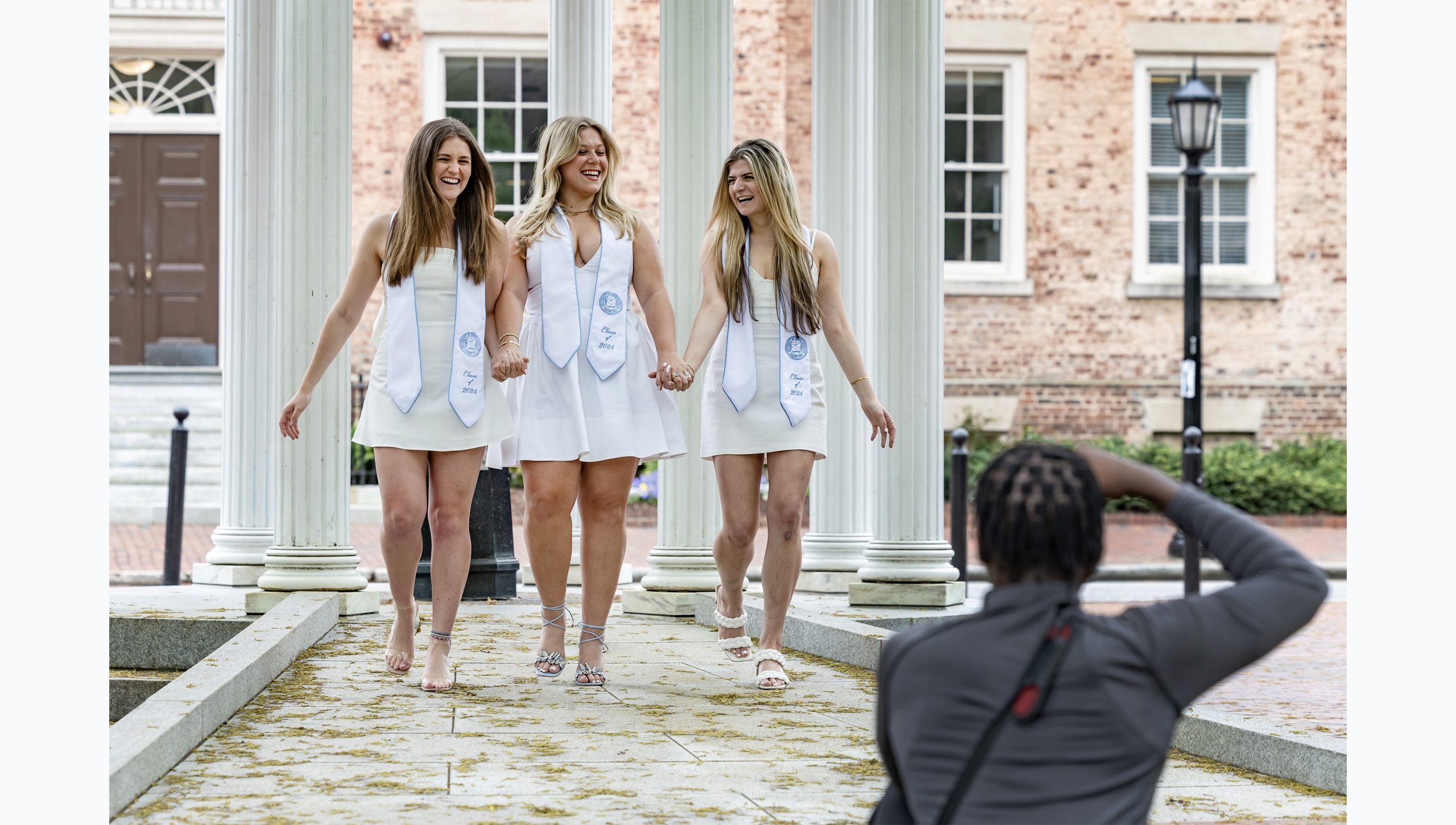
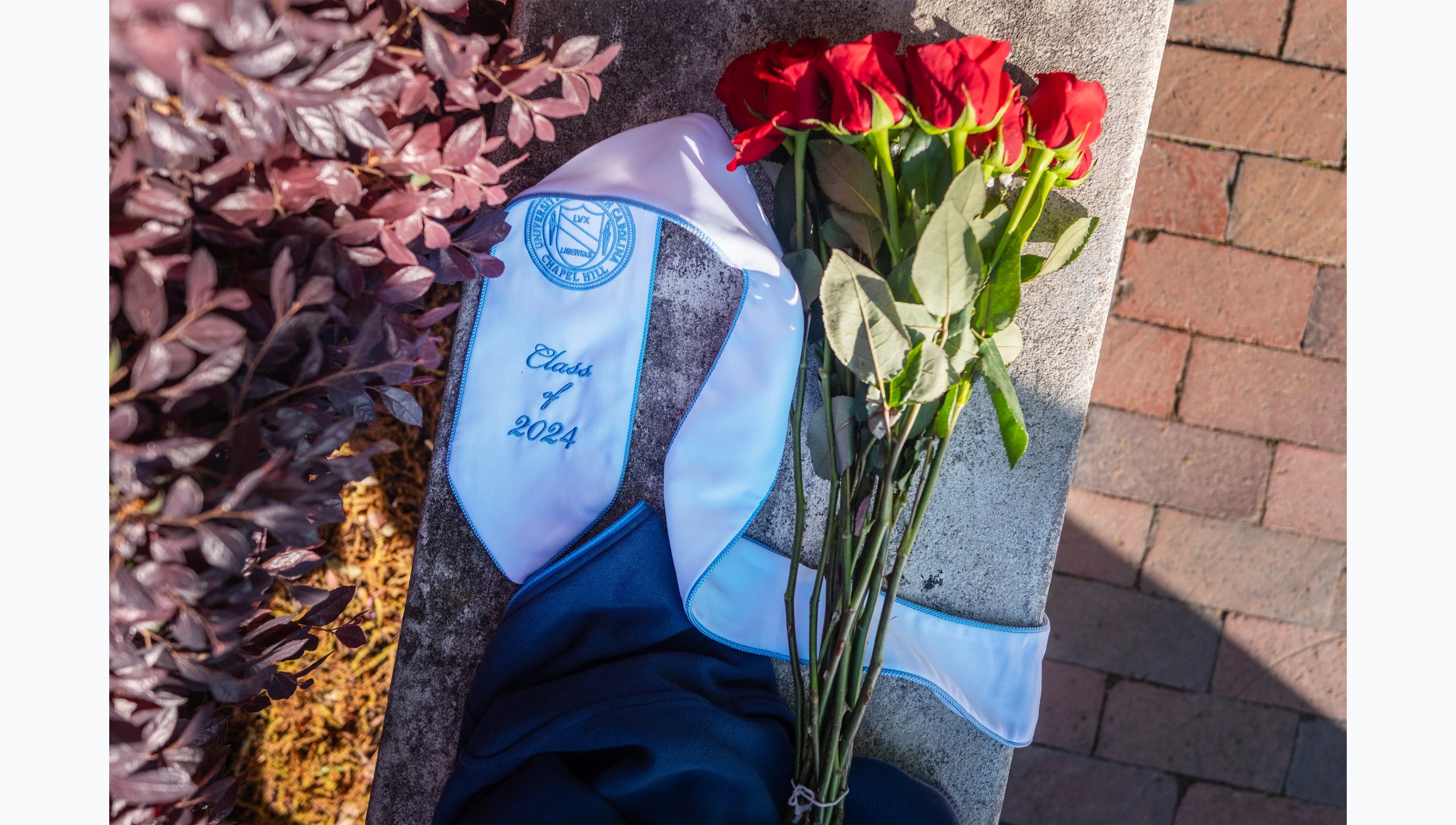
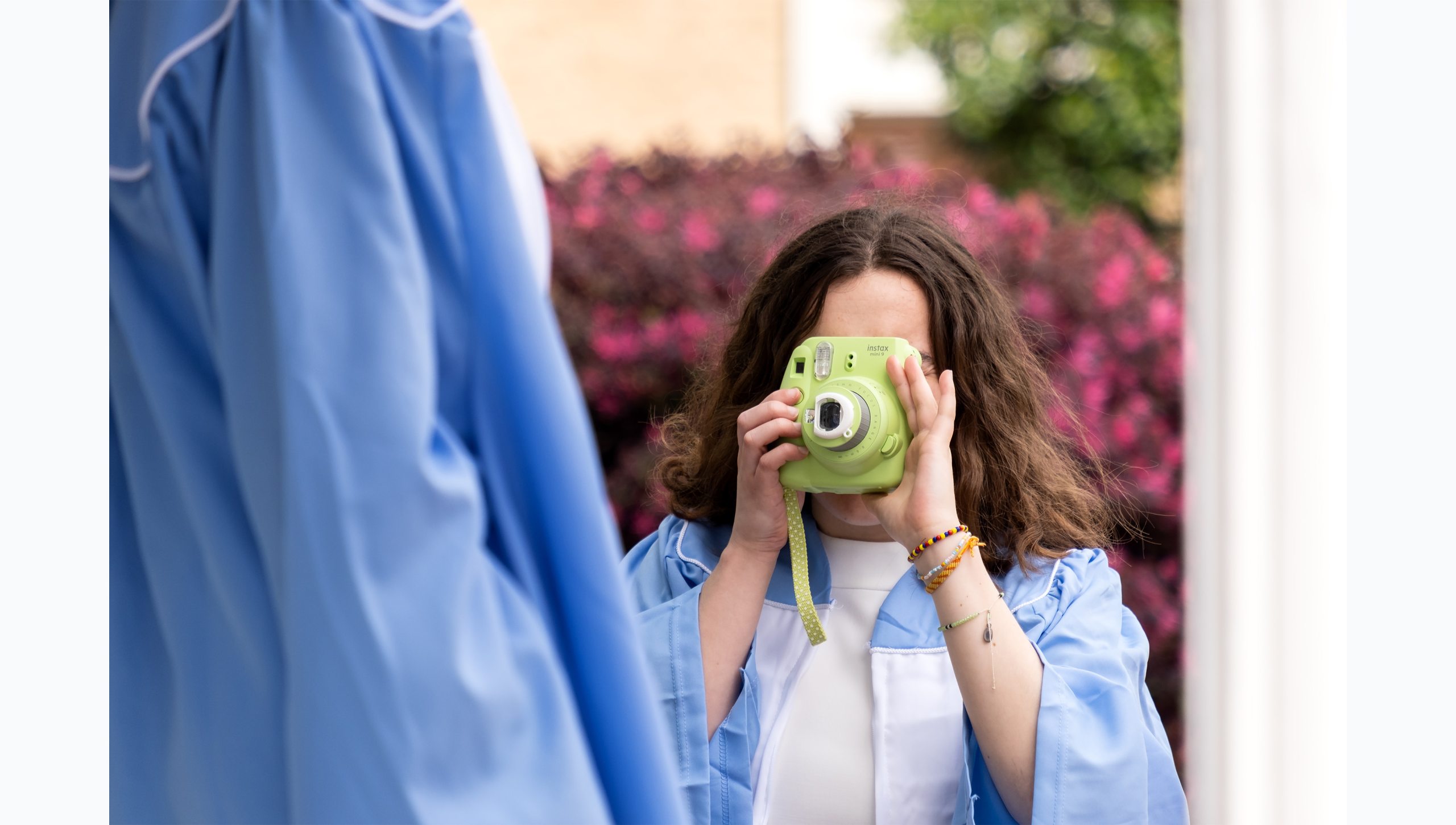
Walk around Carolina during April and you won't be able to miss the large number of students taking graduation photos. Whether it be at the Old Well, in front of Wilson Library or anywhere else on campus, members of the Class of 2024 are putting on their regalia and smiling for the camera.
(Photos by Johnny Andrews and Jon Gardiner, University Communications)

Brooks Computer Science Building
Thu, April 2509:00 am
Brooks Computer Science Building
Fri, April 2609:15 am

Dean E. Smith Center
Wed, May 107:00 am

Grassy area in front of Wilson Library. Rain location: FedEx Global Education Center, 2nd Floor Atrium
Thu, May 212:00 pm