Started at Carolina, excelling everywhere
See how Tar Heels are using their skills, knowledge and passions to make an impact.
Read more about recent alumni
See how Tar Heels are using their skills, knowledge and passions to make an impact.
Read more about recent alumniUNC-Chapel Hill is at the heart of what’s next, preparing talented students from different perspectives and life experiences to become creators, explorers, entrepreneurs and leaders. Tar Heels develop a voice for critical thought and the courage to guide change.
Carolina’s nationally recognized teaching, groundbreaking research and dedication to public service continue a legacy that began when the University was chartered in 1789 and opened to students four years later.
Sunita Agarwala studies biomedical engineering through a joint program at Carolina and NC State University.
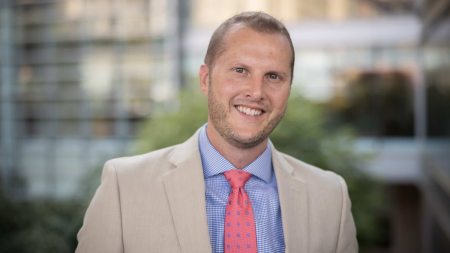
Chad Pecot specializes in caring for patients with lung cancer and conducts research into how various types of RNAs promote the spread of cancer. It's a mission driven by his personal experiences.
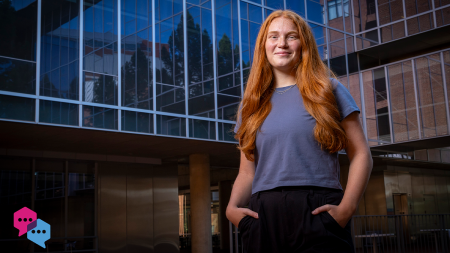
Lilly Papell studies how certain microscopic organisms survive in extreme environments.
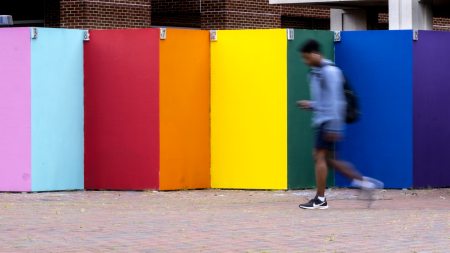
During Pride Week, Carolina highlights the history, inclusion, intersectionality, expression and advocacy within LGBTQIA+ communities.
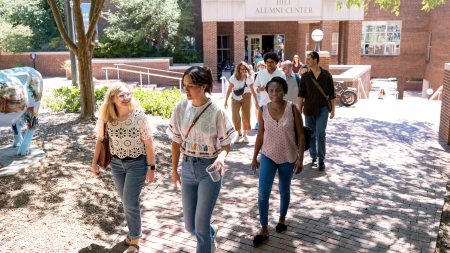
This week we recognize the many contributions graduate and professional students make to research, teaching, and service at Carolina.
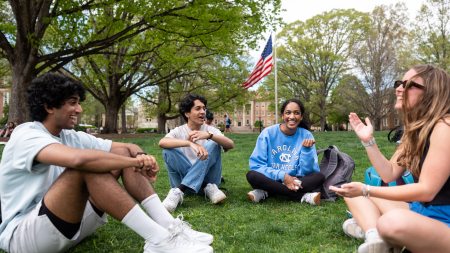
Every day, Tar Heels are creating a positive impact on the world by improving communities and inspiring change through their extraordinary talents.
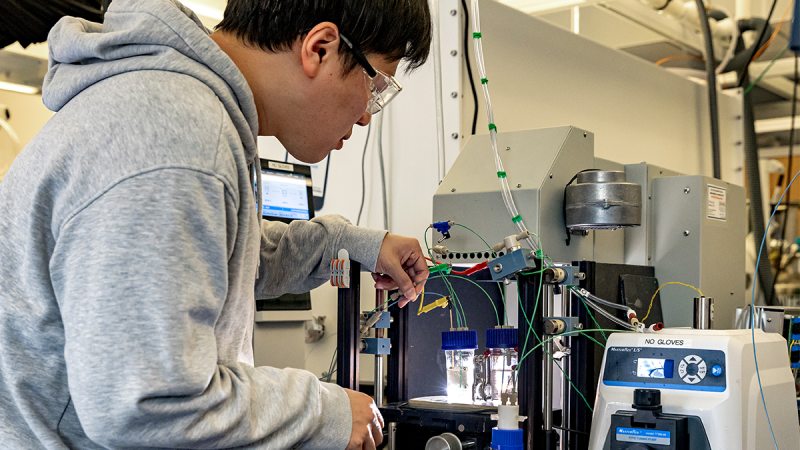
At the center's Chapel Hill headquarters, more than 100 researchers work to turn sunlight into methanol.
Since 2018, the program has helped 466 students explore careers in environment and sustainability.
Studying both peace, war and defense and psychology, Elizabeth Cake never gets bored.
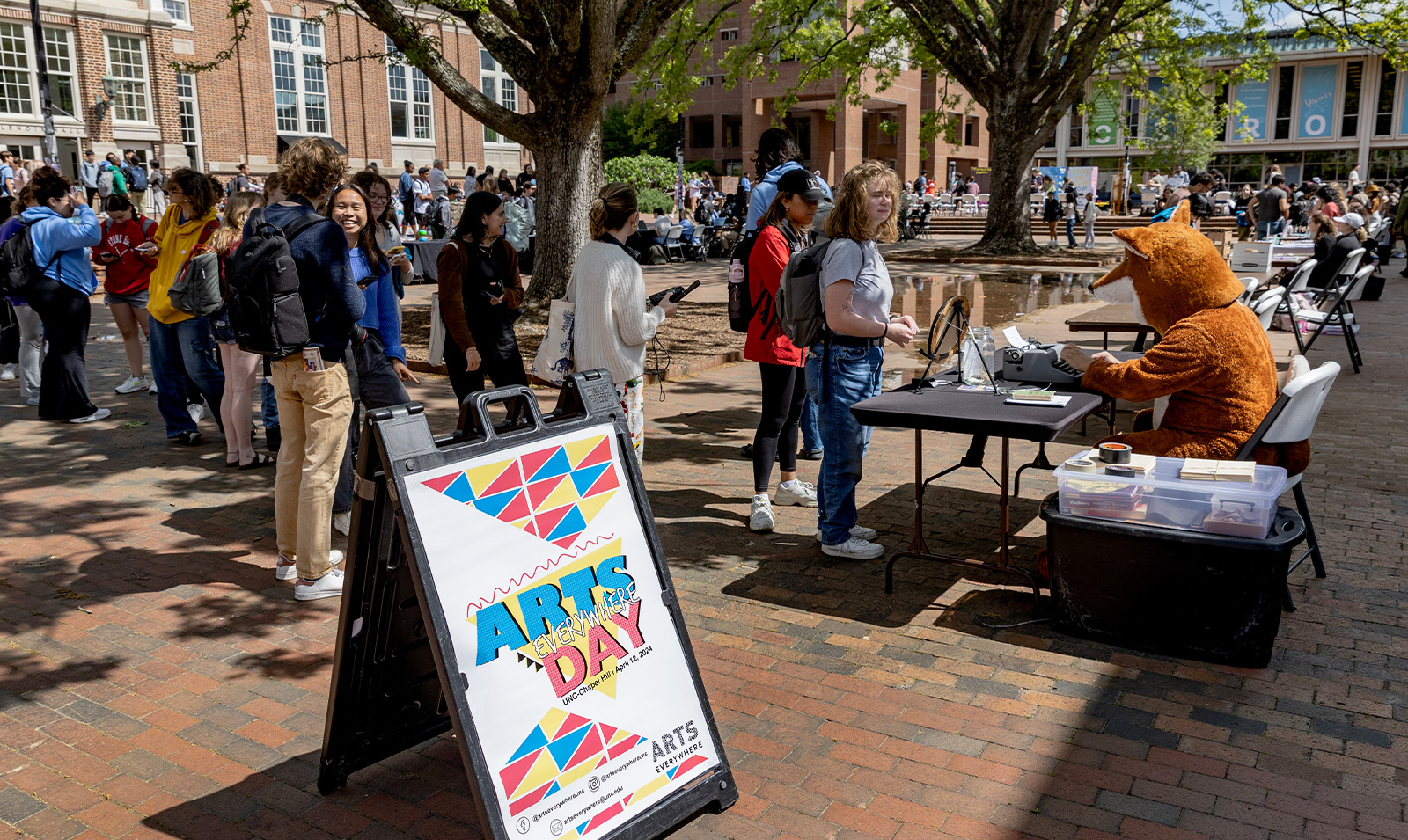
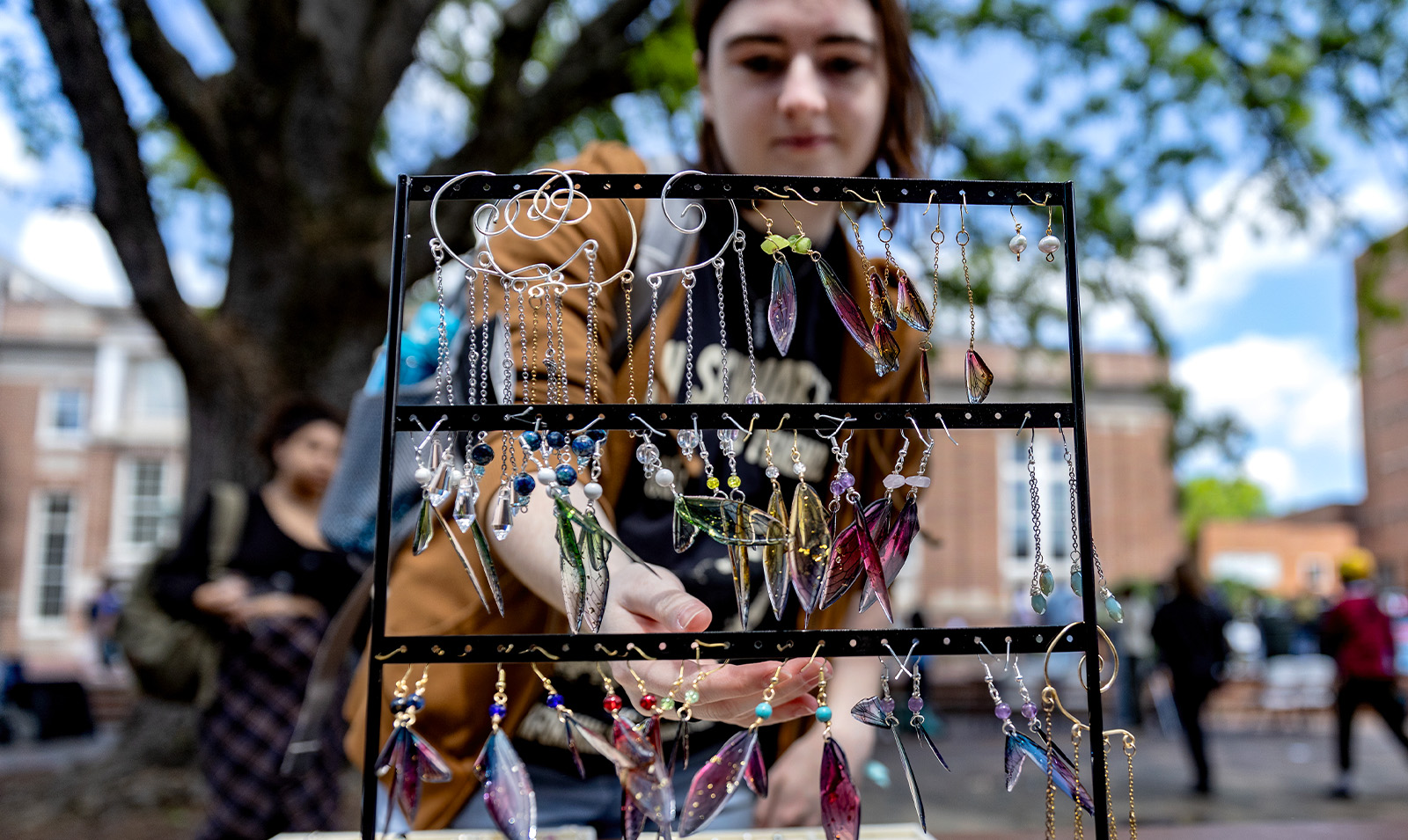
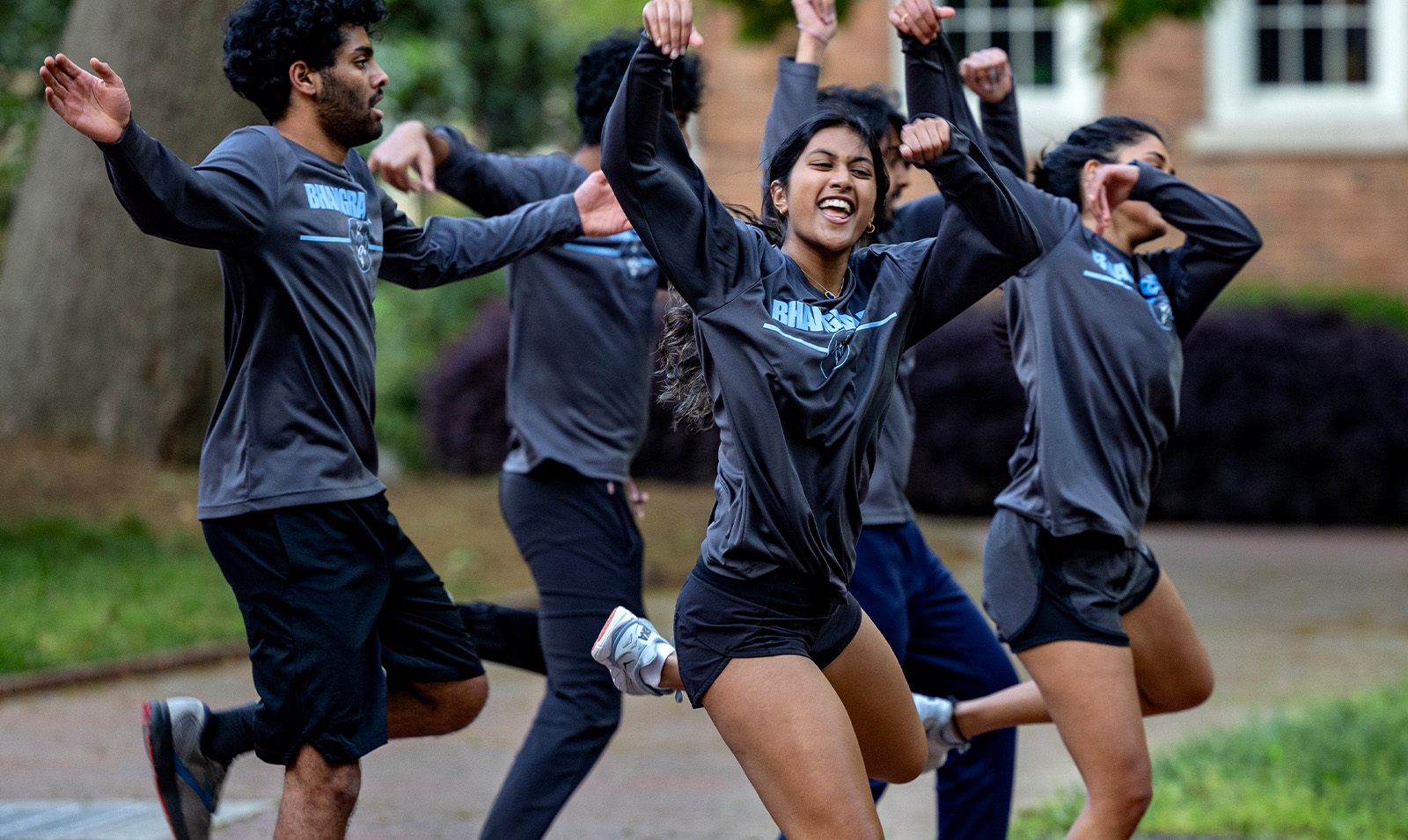
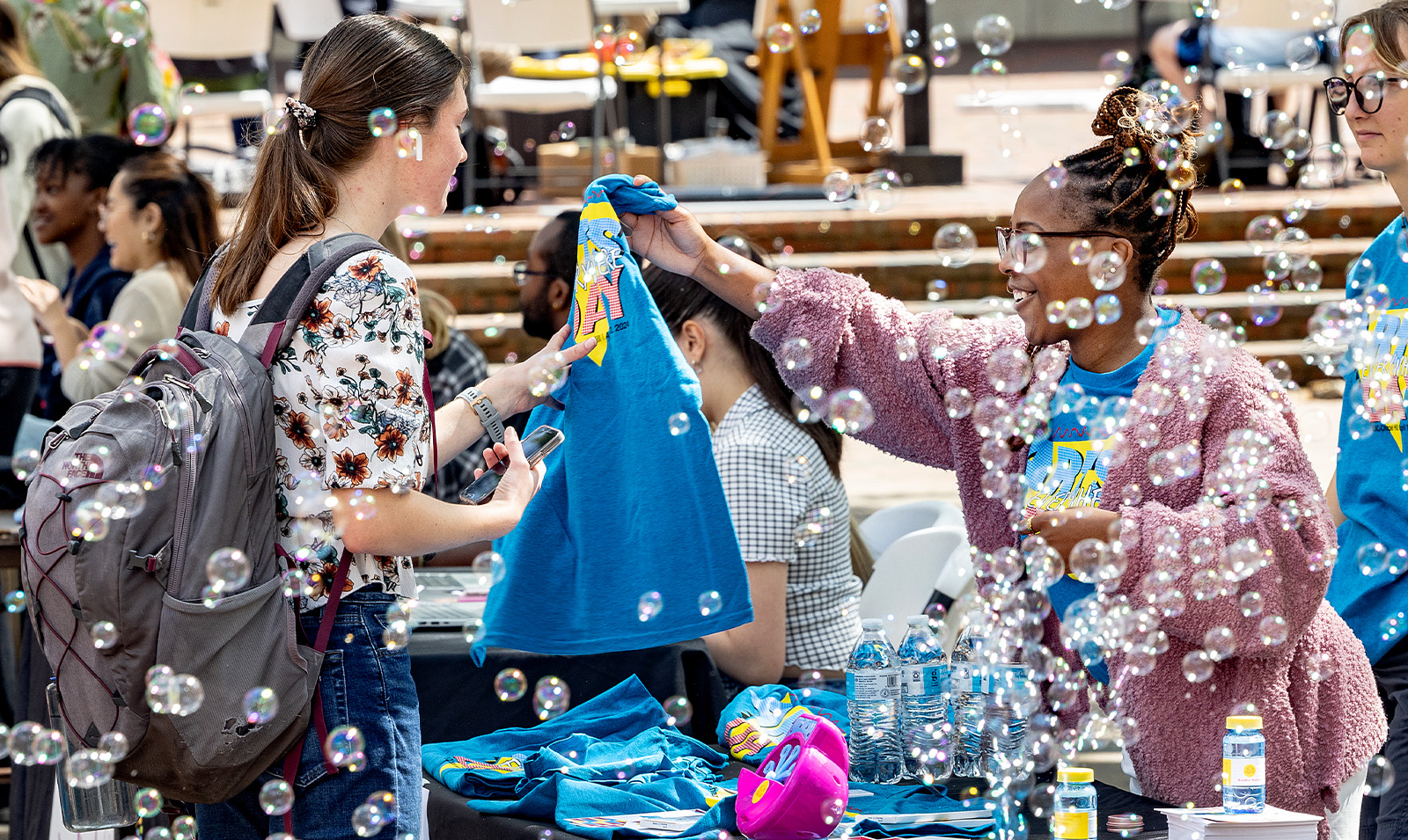
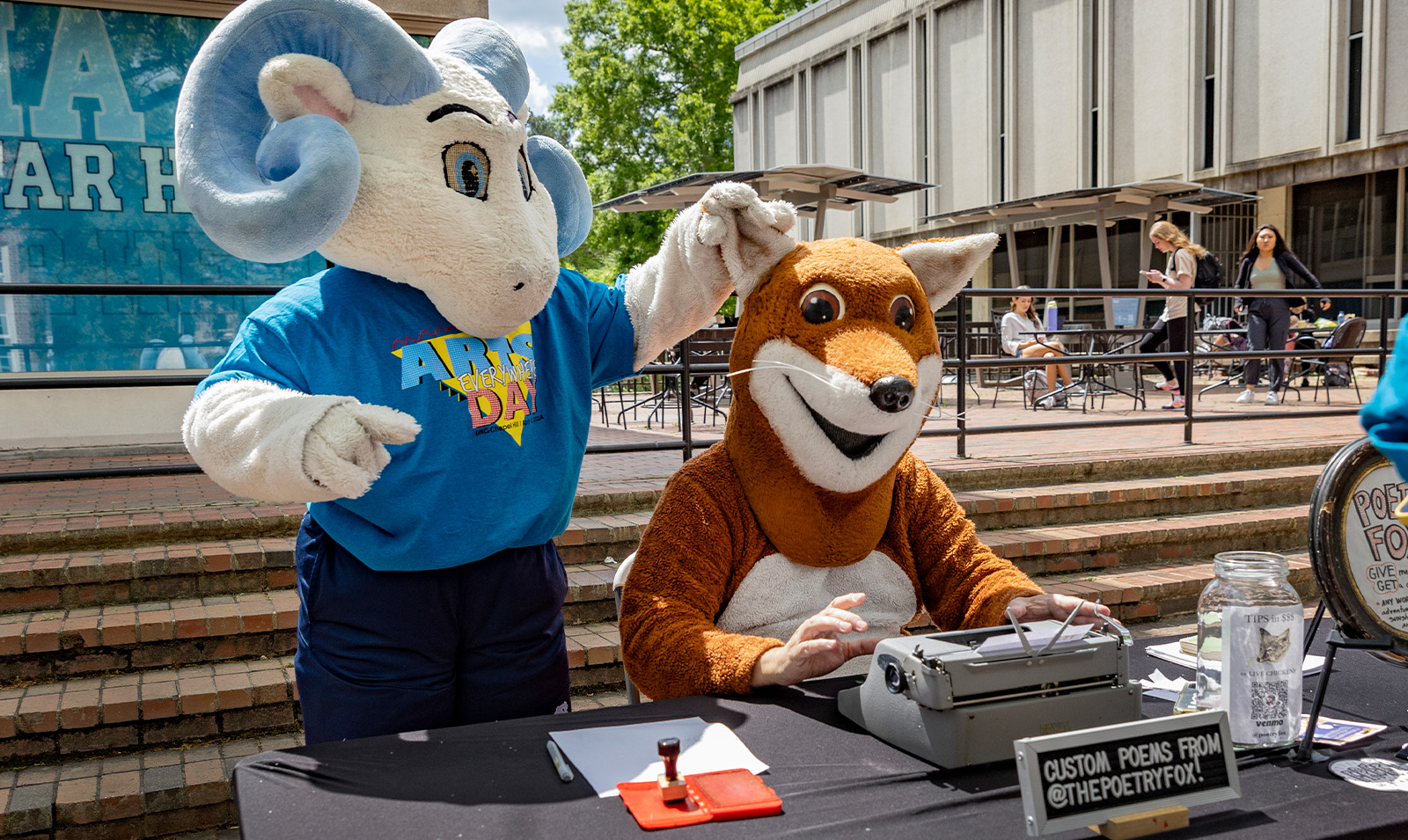
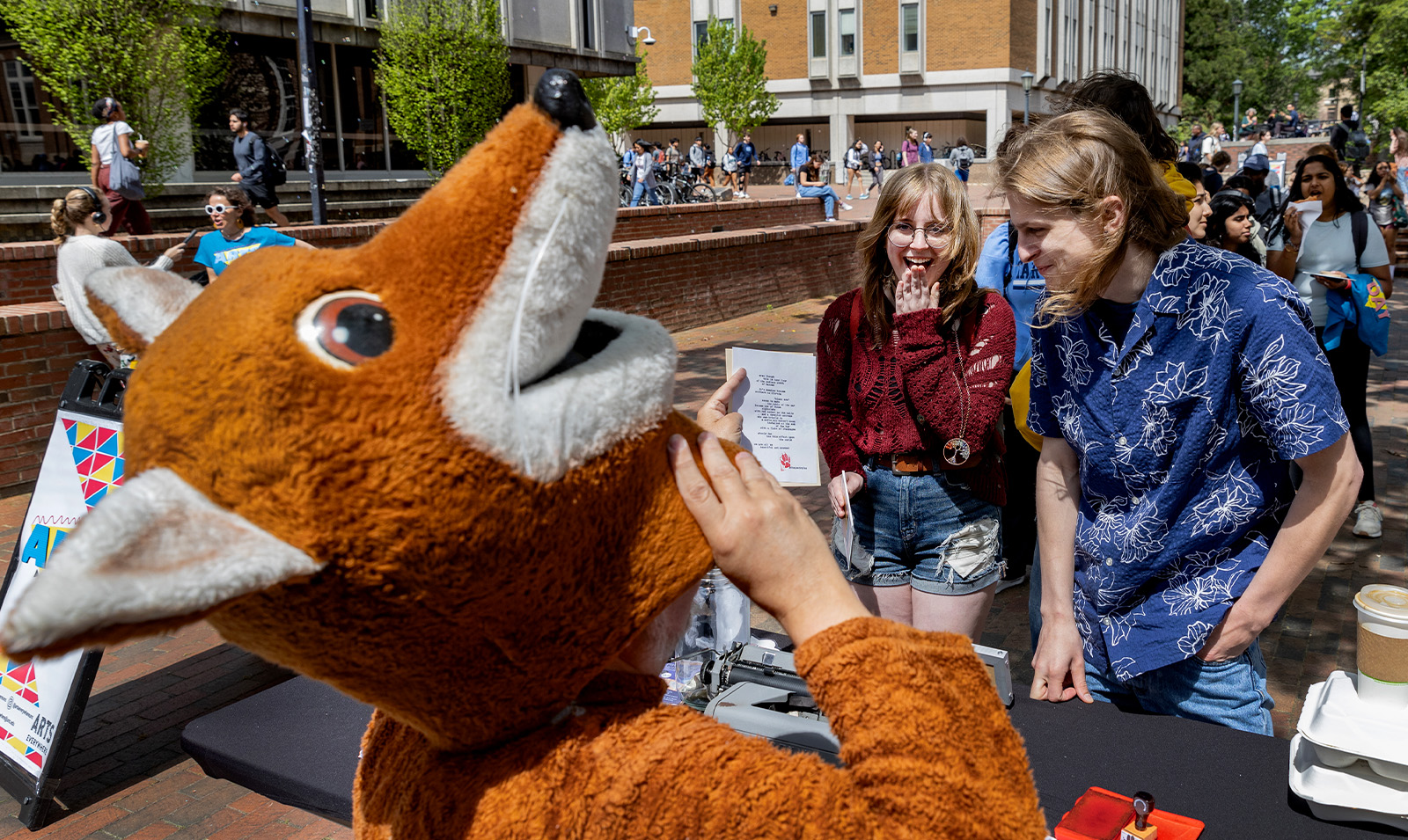
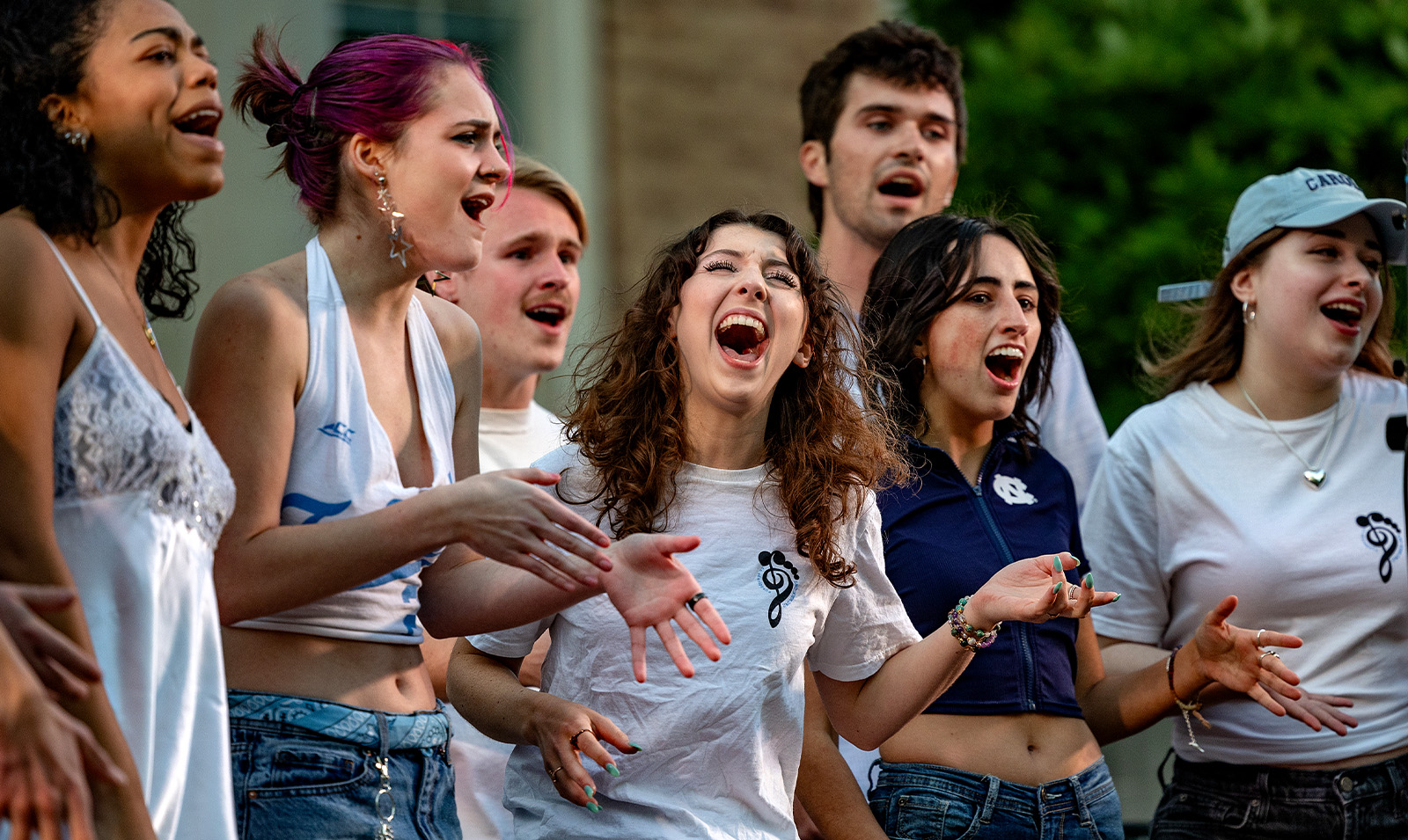
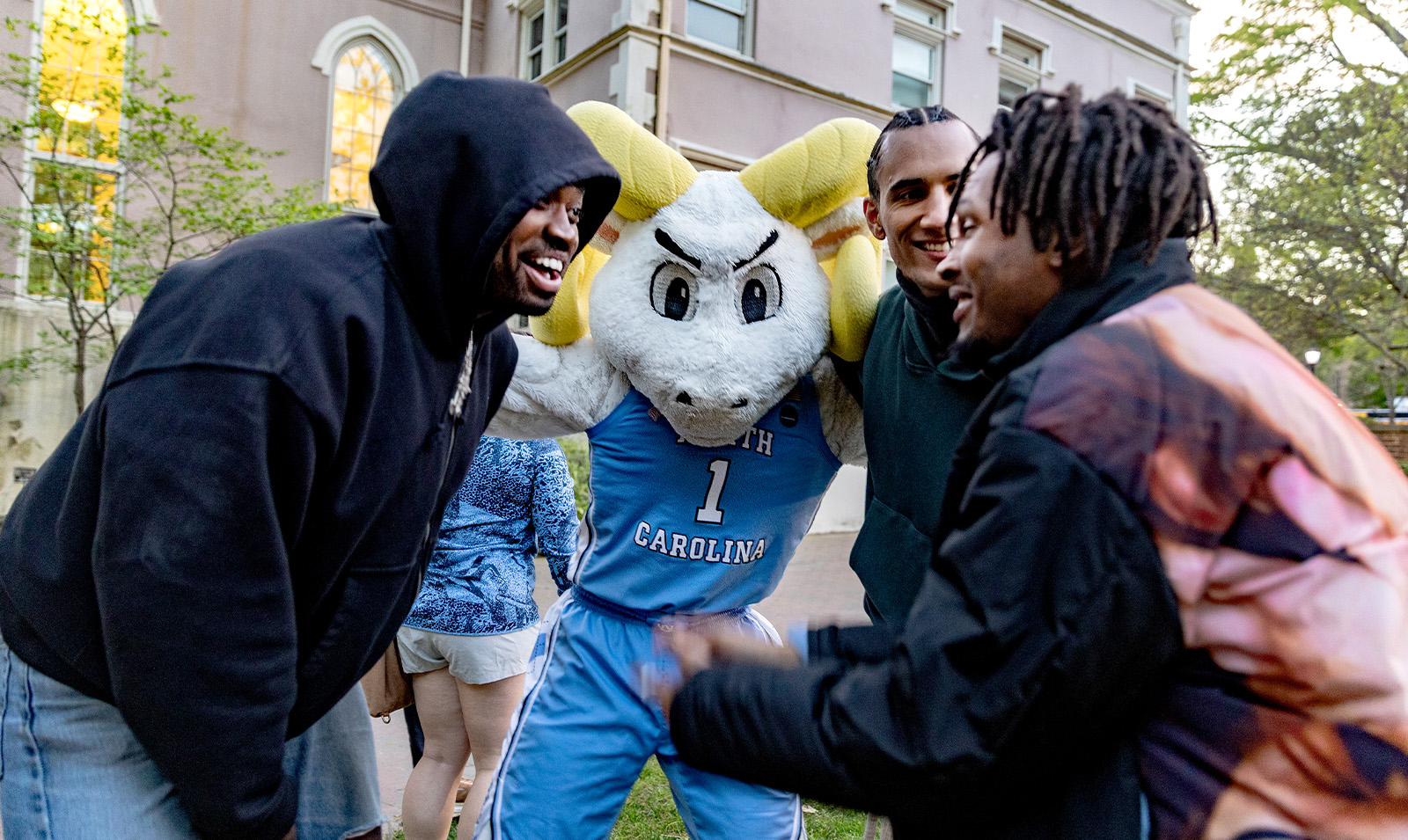
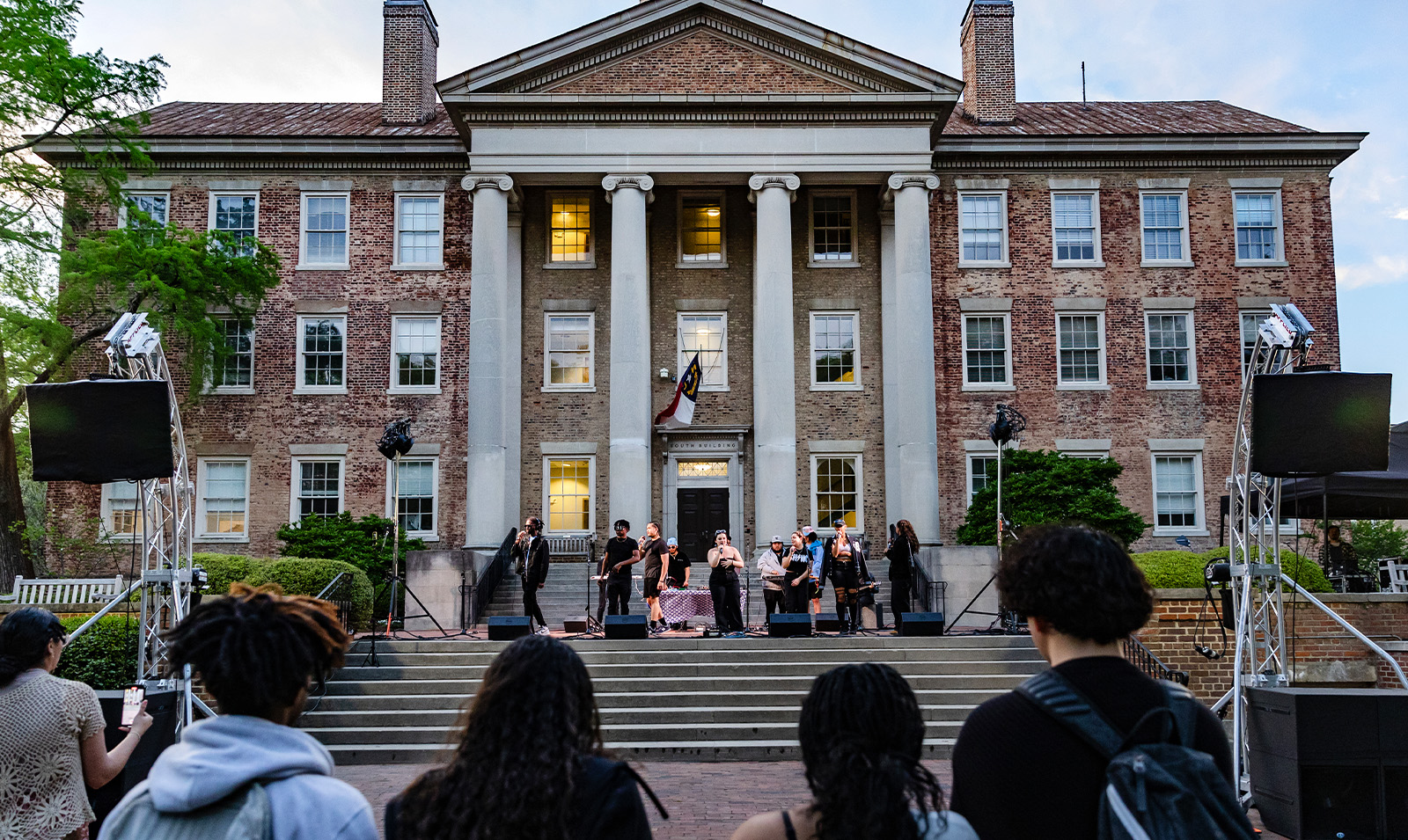
For the eighth time, Tar Heels celebrated the annual tradition of Arts Everywhere Day April 12. They sang, danced, painted, mingled with the Poetry Fox and much more.
(Photos by Johnny Andrews, University Communications)


Memorial Hall
Tue, April 2307:30 pm

The Friday Conference Center
Tue, April 3006:00 pm

Dean E. Smith Center
Wed, May 107:00 am

MoMo's Master
Sat, May 409:00 am