Normal
The University is currently operating under normal conditions
Last updated Oct. 24, 2025
As we progress through the fall semester at Carolina, it's important to remember it's always the right time to take care of yourself and make sure others around you are doing the same.
Keep reading to learn about campus resources and how Tar Heel students, faculty and staff are using outreach and research to prioritize mental health on campus, across North Carolina communities and beyond.
Carolina's Counseling and Psychological Services is strongly committed to addressing the mental health needs of the student body through timely access to consultation and connection to clinically appropriate services.

A gateway for mental health and wellness resources for everyone on campus, the Heels Care Network can help you find a support group, learn strategies for mental health, connect with trainings and advocacy organizations and find wellness events on campus.
If you need help, the UNC-Chapel Hill Employee Assistance Program is available. The EAP is a confidential counseling and resource program that is designed to help University employees and their families deal with both personal and work-related concerns.
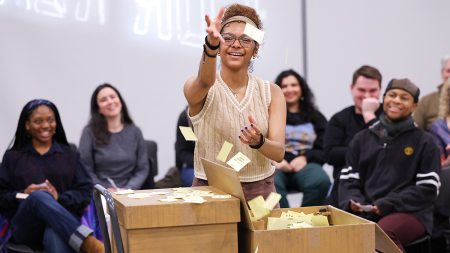
During rehearsals, school counseling graduate students offered the actors insights on teenage social dynamics.
Designed to improve youth mental health, the program will support teams across 18 counties.
The messages provide timely, visible reminders of mental health resources in areas where they are most needed.
Counseling and Psychological Services team offers more than 20 options to help Tar Heels talk through specific issues.
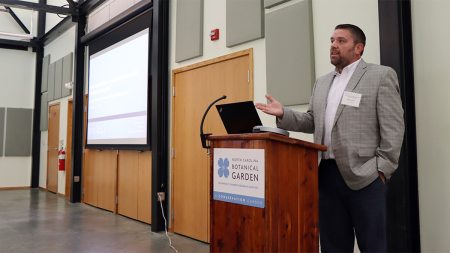
Researcher Jason P. Mihalik discusses how insights from service members, veterans and first responders shape the program’s treatment.
Leader Anita Brown-Graham reflects on Carolina Across 100’s yearlong program focused on mental health.
Part of UNC Project-Malawi, the program trains volunteers with no prior medical experience to offer talk therapy.
The initiative aims to improve working conditions and well-being for graduate and professional students.
Thursday, Oct. 30
Noon-1:30 p.m.
Virtual event
Thursday, Oct. 30
Noon-1 p.m.
North Carolina Botanical Garden
Wednesday, Nov. 12
Noon-1 p.m.
Virtual event
Friday, Nov. 21
Noon-1:30 p.m.
Virtual event
After what he calls a “brain attack,” Michael Stutts sought help to put life and work in perspective.
“The same way you don’t exercise and eat fatty foods and have a heart attack, you can ignore signals about your mental health and have a ‘brain attack.’ And I had a brain attack.”
Meet three brothers, all UNC psychiatrists and double Tar Heels.
“We have complementary skill sets and all focus on patients to help them in a professional, compassionate way.”
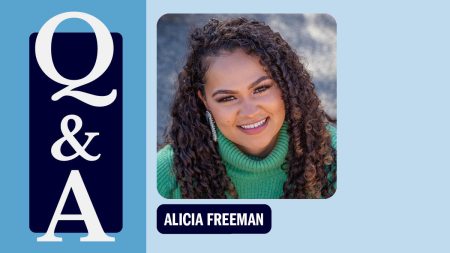
Now a Carolina sophomore, she founded a nonprofit information hub at 16.
“During school, I realized that sometimes mental health is not really talked about. There would be students that were struggling in silence or that were afraid to come out and say their feelings because they were afraid of how an adult would take that information.”
In this video, the chemistry professor talks about how he found a way to quiet his lingering doubts.
“It’s OK if you don’t feel like your life is going in this perfect straight line. I’ve gotten to a point in my life where everything is going pretty well, but it wasn’t always easy and my path to get there was really circuitous, but I did persevere.”
This new Blue Sky scholar wants to help people with disabilities and their caretakers.
“That perspective is really good to bring to patients because you have to factor in it’s not just their life — it’s the lives of everyone else around them. You don’t know what situations they’re going through.”
Nihal Kollath’s research project looks at how cinema’s depiction of psychiatric care has evolved and influenced audiences to think deeper.
“I think a lot of people in the medical field can tend to treat people like a number. That’s why mixing the humanities and medicine is so vital. You can relate to the patient’s cultural understanding of certain things thanks to things like film and television.”
As a social worker, Hannah Collins works in a police department but doesn’t have a gun or wear a badge.
“The idea is for us to step in and provide those supports and resources.”
At the UNC School of Education’s Translational Adolescent Research Lab, he builds practical tools to support their mental health.
Carolina experts offer insight on the isolation, anxiety and resilience of today’s college students.
Anna Bardone-Cone’s lab focuses on eating disorders, particularly in diverse populations.
The psychology scholar critiques Vivek Murthy’s idea of a warning label for teen social media use.
A Carolina clinical psychologist explains peer support for mental health and offers tips to help yourself and others.
UNC School of Education faculty are looking at factors inside schools that may affect students’ mental health.
Andrea Hussong studies risk and resilience during development, with a focus on children, adolescents and young adults.
Loneliness doesn’t always lead to Parkinson’s disease, Dr. Nina Browner said, but it has other negative effects that we can fight.
Doctoral candidate Adrienne Bonar studies the many factors that shape people’s feelings.